Agent Team 02 6152 8374 Book an appraisal

Home/Selling/RZ1 and RZ2 zoning guide

Canberra planning guide · Updated November 2026

RZ1 and RZ2 zoning in Canberra:what you can build now.

On 1 July 2026 the ACT Government changed the Territory Plan for RZ1 and RZ2 blocks. Duplexes, townhouses, terraces and low-rise apartments are now allowed on ordinary suburban blocks. This guide explains the new rules in plain English, and what they could mean for the value of your block if you are thinking of selling.

Last checked against official sources: 6 November 2026

The short answer

  • RZ1 (Suburban) now allows "missing middle" housing. Duplexes, triplexes, townhouses, terraces and apartments up to two storeys are permitted. The old 800m² minimum for a second dwelling is gone.
  • RZ2 (now called Suburban Density) allows more. Multi-unit housing can go to three storeys, and there is no longer a fixed cap on dwellings per block.
  • Subdivision is now possible in RZ1. Each new block needs a lawfully built home on it, or must be at least 350m². Unit titling is available on standard blocks of 600m² or more.
  • Granny flats need no minimum block size. One secondary residence per block, still capped at 90m².
  • Development costs came down. Eligible projects get a 50% cut to the Lease Variation Charge, if they meet strict deadlines.
  • Design rules still apply. Site coverage, tree canopy, open space, setbacks, solar access and heritage controls decide what actually fits on your block.
Get a block review

What changed

The missing middle reforms, explained

"Missing middle" housing is the gap between a single house on a big block and a tall apartment tower. Think duplexes, townhouses, terraces and small walk-up apartments. For decades the Territory Plan made this kind of housing very hard to build in Canberra's suburbs.

That changed with Major Plan Amendment 04 (MPA-04), Missing Middle Housing Reform. The Planning Minister approved it in May 2026. It passed the Legislative Assembly in June and commenced on 1 July 2026. A new Missing Middle Housing Design Guide took effect on the same day.

79.7%
of Canberra's residential land is RZ1
12.9%
is RZ2
1 Jul 2026
MPA-04 commenced

The four main parts of the reform

  1. Territory Plan changes (MPA-04)Missing middle housing is now permitted in RZ1, with more opportunity in RZ2. Minimum block sizes and fixed dwelling caps were removed.
  2. Missing Middle Housing Design GuideApplies to proposals of 3 storeys or less with more than one dwelling, and to subdivision or consolidation of a leased RZ1 or RZ2 block. It focuses on street character and trees.
  3. Planning Act changesThe Planning (Missing Middle Housing) Amendment Bill 2026 passed the Assembly in October 2026. It speeds up small subdivisions and lease variations, and gives single-dwelling leases an automatic right to a granny flat. It applies from its commencement date, so check that date before relying on it.
  4. Cost incentivesA time-limited 50% Lease Variation Charge reduction, and no stamp duty for owner-occupiers buying new unit-titled homes.

RZ1 Suburban zone

What you can build on an RZ1 block

RZ1 is Canberra's standard suburban zone. Most detached family homes sit on RZ1 land. Before July 2026, a second home was only allowed on blocks of 800m² or more, with a maximum of two dwellings. That limit has gone.

RuleBefore 1 July 2026Now
Housing typesMostly single homes. Dual occupancy on larger blocks only. No apartments.Duplexes, triplexes, townhouses, terraces, co-housing and apartments up to 2 storeys
Minimum block for 2 or more homes800m² (700m² for a surrendered block)No minimum block size
Maximum dwellings2 per standard blockNo fixed cap. Density is guided by the technical specifications and site context
Height2 storeys2 storeys (an attic within the roof is generally allowed)
Site coverage (multi-unit)45%45% (unchanged)
SubdivisionBlock subdivision not permitted. Unit titling above 800m² onlyPermitted where each block has a lawfully built home or is at least 350m². Unit titling on standard blocks of 600m² or more
Block consolidationSupportive housing onlyPermitted where it results in more dwellings. Guidance limits of 2,000m², 2,500m² or 3,000m² by location
Granny flatBlocks of 500m² or moreNo minimum block size. Max 90m², one per block

The government's own example: three neighbouring single-house blocks can only be consolidated if the new combined block will hold four or more homes. Consolidation has to add housing.

RZ2 Suburban Density zone

What you can build on an RZ2 block

RZ2 blocks usually sit around local shops, group centres and main transport routes. RZ2 was called Suburban Core. The reform renamed it Suburban Density, which tells you the intent: more homes, closer to services.

RZ2 already allowed more housing than RZ1, but few owners used it. Since an earlier upzoning in 2003-04, about 85% of RZ2 blocks were still single houses. The new rules make redevelopment more practical.

RuleBefore 1 July 2026Now
Housing typesLow to medium density, with tight limitsMainly low-rise multi-unit housing or compact single homes
Height2 storeysMulti-unit: 3 storeys (plus attic). Single homes and granny flats: 2 storeys
Minimum block for 2 or more homes700m²No minimum block size
Maximum dwellings1 extra dwelling per 250m² over the minimumNo fixed maximum
Site coverage (multi-unit)45%45% (unchanged)
Subdivision and consolidationPermittedPermitted (unchanged)

Side by side

RZ1 vs RZ2 at a glance

RZ1 SuburbanRZ2 Suburban Density
Typical locationMost suburban streetsNear shops, centres and transport
Missing middle housingPermittedPermitted, with more scale
ApartmentsUp to 2 storeysUp to 3 storeys
Minimum block for multiple homesNoneNone
Fixed dwelling capNone (density guidance applies)None
Multi-unit site coverage45%45%
SubdivisionYes, with a built home on each block or 350m² minimumYes
Granny flatYes, max 90m²Yes, max 90m²
50% LVC reductionEligible projectsEligible projects

How to check your block's zone

Search your address on ACTmapi, the ACT Government's free mapping tool, and turn on the Territory Plan zones layer. It also shows block size, heritage, bushfire and other overlays. Your Crown lease matters too. It sets how many dwellings are allowed now, and changing that number needs a lease variation.

Subdivision and titles

Can I subdivide my RZ1 block?

Yes, which is one of the biggest changes. Under the updated Subdivision Policy, you can subdivide an RZ1 block into more blocks if:

  • each new block has a lawfully built dwelling on it, or
  • each new block is at least 350m².

The built-home rule is there to discourage land banking. The government wants new homes, not just new vacant lots.

Unit titling vs separate blocks

Unit titling keeps one block but creates a separate title for each home, with shared common property. It is allowed once all the homes are lawfully built, on a standard block of at least 600m² (or a non-standard block). The old 120m² size limit on the second home is gone. Staged unit titling is not allowed for fewer than 5 units.

Separate blocks (often called torrens titles) give each home its own block with no body corporate. Buyers often prefer this, so it can affect resale value.

A granny flat can never be separately titled or sold on its own. It always stays with the main house.

Faster approvals

The October 2026 Planning Act changes mean small subdivisions and consolidations are no longer treated as significant development. Assessment drops from 60 working days with two rounds of notification to 30 to 45 working days. A lease variation that only changes the number of dwellings can go through a 10 working day pathway. You still need a development application for the design and siting of the new homes.

Secondary residences

Granny flats on RZ1 and RZ2 blocks

A secondary residence (granny flat) is a small second home that stays on the same title as the main house. Many families use one for ageing parents, adult children or rental income.

  • No minimum block size. The old 500m² minimum was removed.
  • Maximum 90m² and one per block.
  • Must go with a single house. It cannot be separately titled or sold.
  • No lease variation needed. Under the new Planning Act changes, every single-dwelling Crown lease gets an automatic right to a secondary residence, once those changes commence.
  • Development approval is still required. Site coverage, water, accessibility and design rules still apply.

Costs and charges

The Lease Variation Charge and other costs

If you add dwellings to a lease, you usually pay a Lease Variation Charge (LVC). For most Canberra leases it is a set amount per extra dwelling. The codified rate is $49,000 per additional dwelling from 1 July 2026. Some leases use suburb-based rates instead, which vary widely.

The 50% LVC reduction

Eligible RZ1 and RZ2 developments get the charge halved. The government's conditions are:

  1. The development adds 1 or more dwellingsOn RZ1 or RZ2 land.
  2. The LVC is deferred on or after 10 June 2026A deferral application is made and approved. It is not automatic.
  3. Development approval before 30 June 2029Plan your timeline early.
  4. All dwellings finished by 31 December 2030Miss the date and you lose the reduction.

Other costs to know about

  • Property developer licence. Since 1 October 2026, projects of three or more dwellings need a licensed property developer. Single homes and dual occupancies are excluded.
  • Stamp duty for end buyers. Since 1 July 2026, owner-occupiers buying a new unit-titled home pay no stamp duty, and first home buyers pay none at all. That helps demand for finished missing middle homes.
  • Design, approval and build costs. Plans, surveys, engineering, services connections and construction usually decide whether a project stacks up.

This is general information, not tax, legal or planning advice. Confirm charges with the ACT Revenue Office and a planning professional before you commit.

Your block, your options

What could work on your block?

The rules are now more flexible, so the block itself decides more. These are the common options.

Lightest touch

Add a granny flat

Up to 90m², stays on one title. Good for family living or extra income.

Two homes

Duplex or dual occupancy

Two homes on one block, unit titled or subdivided into two blocks.

Three or more

Townhouses or terraces

A row of homes with their own entries. Needs a licensed developer for 3 or more.

Bigger sites

Consolidate with a neighbour

Combine blocks to fit more homes, within the size limits for your location.

What decides how much fits

  • Width and frontage. Each home generally needs its own car space and access. A narrow block limits driveway layouts.
  • Shape and slope. Wide, flat, regular blocks are the easiest to build on. Corner blocks can give each home its own street frontage.
  • Trees. Multi-unit projects need 20% tree canopy cover at maturity and planting area across the site. Existing protected trees can change the layout.
  • Open space and setbacks. Each home needs usable private open space. Setbacks and solar envelopes protect neighbours' sunlight and privacy.
  • Overlays. Heritage, bushfire, flooding and easements still apply. MPA-04 does not override heritage controls.
  • The numbers. End sale values, build costs and the LVC decide whether more homes make financial sense.

Block review

What could your block hold?

Send us your address and we will run a quick review of your block under the new RZ1 and RZ2 rules. There is no cost and no obligation.

  1. We check the blockZone, size, frontage, slope, trees and overlays such as heritage and bushfire.
  2. We look at the optionsGranny flat, duplex, three or more homes, or subdivision, and what nearby sites have sold for.
  3. We send you a short reportUsually within 2 working days, from Mac in our team.

The review is general information to help you plan. What you can build is always subject to town planning, design and approval. For a firm answer, you will need a town planner or building designer.

Zone, if you know it

What are you thinking?

We will only use your details to send your block review and follow up about it. Privacy policy

Thanks, it's on its way

Mac will review your block and send your report, usually within 2 working days. If we need anything else, we will call you.

Thinking of selling sooner? Book an appraisal.

Real Canberra examples

What RZ2 sites look like in practice

Two RZ2 blocks our team has worked on show how builders and developers look at these sites. Both are large blocks with room for more than one new home.

6 Beaurepaire Crescent, Holt, a 1,005m² RZ2 development site

For sale now · Holt

6 Beaurepaire Crescent, Holt

1,005m² blockRZ2 zonedTenanted at $620 per week

A development approval was previously granted for two four-bedroom homes. It has since lapsed, so a buyer could lodge a new application for two homes, or for three. Concept plans for three four-bedroom homes are available (subject to approval).

The existing home is leased, so a buyer has rental income while they plan. Close to Kippax Fair, schools and transport.

See the property
Steve LoweTiff MillsSteve Lowe and Tiff Mills
0489 276 122
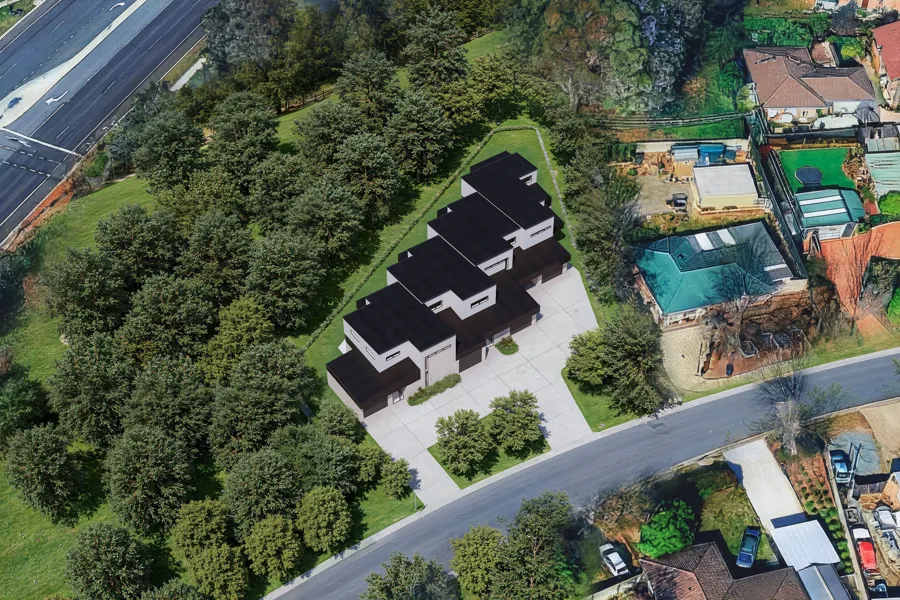
Aerial render of four new homes planned for 23 Axon Street, Monash

Just sold · Monash

23 Axon Street, Monash

1,125m² blockRZ2 zonedSold

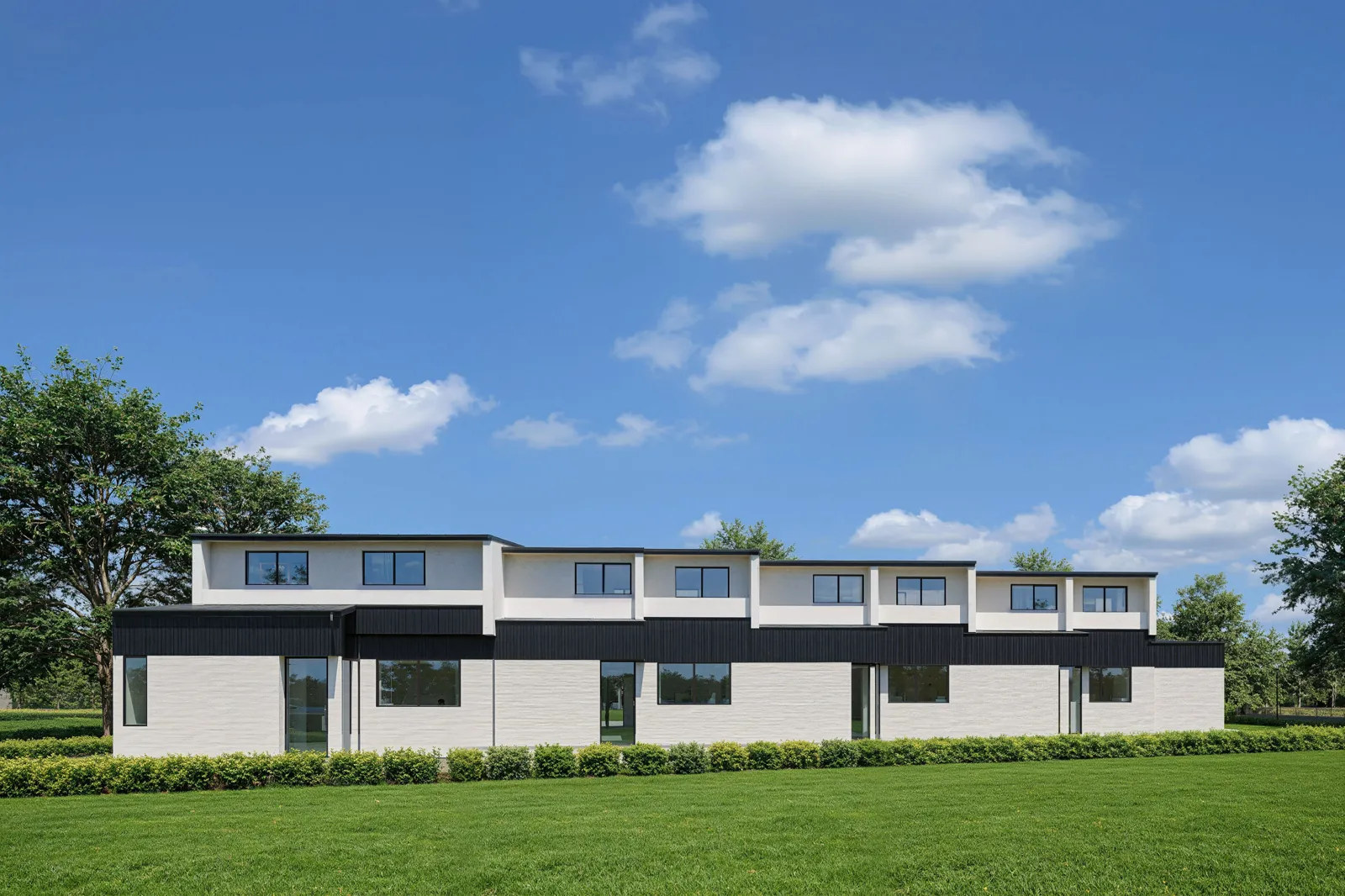
A development application was lodged for four four-bedroom homes on this large RZ2 block. The renders showed buyers exactly what the site could become, and that potential drew builders and developers as well as home buyers.

Own a large block in RZ1 or RZ2? We can show you who your buyers are and what they will pay.

Review my block
Steve LoweSold by Steve Lowe
and the Agent Team
Street render of the four planned homes at 23 Axon Street, Monash

Development potential is always subject to approval. Renders are from the development application for 23 Axon Street. Buyers should make their own enquiries and get independent planning advice.

For sellers

Selling an RZ1 or RZ2 block in Canberra

The reforms widened the pool of buyers for many suburban homes. A family home on a good RZ1 block can now appeal to owner-occupiers, families who want a granny flat, builders and small developers. More competition can mean a stronger result. It does not mean every block is suddenly worth more. The block's size, shape, location and condition still drive value.

How we help you get the most from your block

  1. Read the block properlyWe check the zone, lease, size, frontage, slope, trees and overlays, so we know who your buyers are.
  2. Price for every buyer typeWe compare your home with family-home sales and with what builders pay for similar sites.
  3. Show buyers the potentialWhere it helps, we point buyers to the options the rules allow, with clear wording that they must make their own enquiries.
  4. Reach builders and developersOur database and buyer network includes builders and investors who look for these sites.
  5. Create competitionOwner-occupiers and builders bidding against each other is where stronger prices come from.

Our team has sold hundreds of Canberra homes, including many on large suburban blocks. Steve Lowe also came to real estate from the building trade, so he can talk a builder's language about what a site can really hold.

Questions

RZ1 and RZ2 FAQ

What does RZ1 mean in Canberra?

RZ1 is the Suburban zone in the ACT Territory Plan. It covers about 79.7% of Canberra's residential land. Since 1 July 2026 it allows missing middle housing, such as duplexes, townhouses, terraces and apartments up to two storeys.

What does RZ2 mean in Canberra?

RZ2 is the Suburban Density zone, previously called Suburban Core. It usually sits near shops and transport. Multi-unit housing can be up to three storeys, and there is no fixed cap on dwellings per block.

Can I build a duplex on an RZ1 block?

Yes. The old 800m² minimum block size for a second home was removed on 1 July 2026. Your design still has to meet the Territory Plan, the technical specifications and the Missing Middle Housing Design Guide, and you need development approval.

What is the minimum block size to subdivide in RZ1?

Each new block must be at least 350m², unless each block already has a lawfully built home on it. Unit titling is allowed on standard blocks of 600m² or more once all homes are built.

How many homes can I build on an RZ1 block?

There is no fixed cap any more. The number depends on density guidance in the technical specifications, plus site coverage, open space, tree canopy, parking and setbacks. In practice, block size and shape decide it.

How high can I build in RZ1 and RZ2?

RZ1 allows two storeys. RZ2 allows three storeys plus an attic for multi-unit housing, and two storeys for single homes and granny flats.

Do I need a minimum block size for a granny flat?

No. The 500m² minimum was removed. A secondary residence is limited to 90m², one per block, and stays on the same title as the main house.

What is the Lease Variation Charge reduction?

Eligible RZ1 and RZ2 developments that add dwellings get a 50% reduction. The LVC must be deferred on or after 10 June 2026, development approval must be granted before 30 June 2029, and all dwellings must be finished by 31 December 2030.

Does MPA-04 override heritage controls?

No. Heritage, bushfire, flooding and other controls still apply to RZ1 and RZ2 blocks.

Has the new zoning made my house worth more?

It can, if your block suits more homes and builders compete with owner-occupiers for it. Many blocks will see little change. A tailored appraisal is the best way to find out what your block is worth to every type of buyer.

Thinking of selling?

Find out what your block is worth now

Book an appraisal and we will look at your home through the new rules: who your buyers are, what they will pay, and the best way to sell.

Book an appraisal

Important: this guide is general information only, based on public ACT Government sources as at 6 November 2026. It is not planning, legal, tax or financial advice. Rules can change, and every block is different. Before you buy, build or subdivide, get advice from a qualified town planner, building designer or solicitor, and check your Crown lease.

Sources

Call usBook an appraisal